


Fibrocystic Breast Disease Guide: Everything You Need to Know in Simple Terms
- hank hight
- 2 days ago
- 5 min read
Updated: 7 hours ago
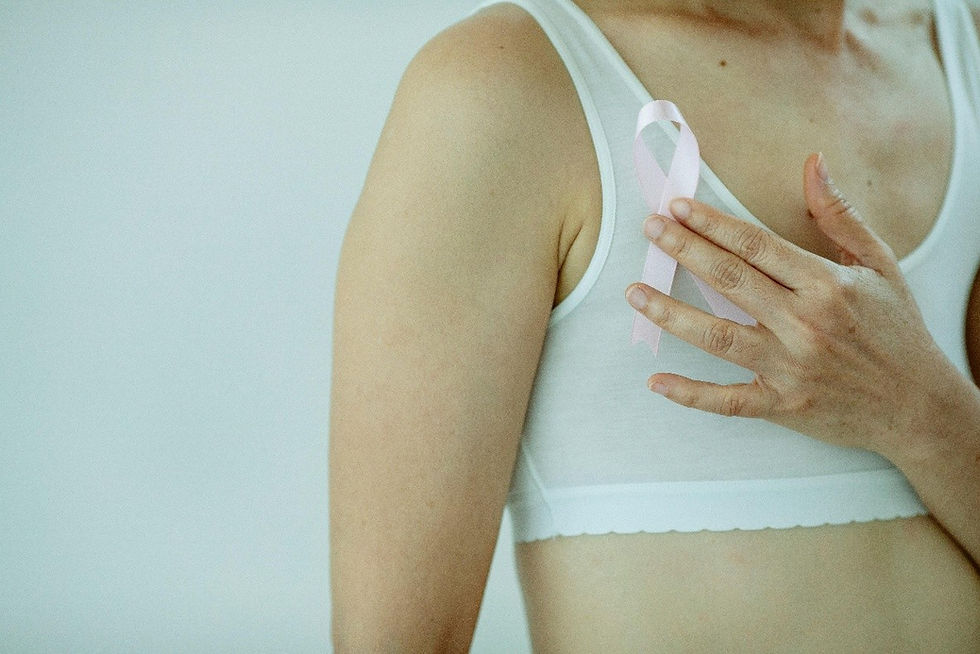
Sometimes the body changes in ways that feel confusing or a little uncomfortable. One of these changes is called Fibrocystic Breast Disease. It can make the breast feel lumpy, sore, or heavy at times. Even though the name sounds serious, it is usually not harmful. Many people experience it, and it is often linked to normal changes inside the body.
This guide explains Fibrocystic Breast Disease, which helps to understand what is happening and when to pay attention.
What Happens in Fibrocystic Breast Disease?
It happens when the tissue inside the breast changes in texture and feeling. Sometimes small fluid-filled sacs called cysts can form. These changes are not unusual and are seen in many people.
Inside the breast, there is soft tissue that can react to natural body changes. This reaction may cause the breast to feel different from normal.
What the body may feel
Lumpy or uneven areas in the breast
Mild pain or soreness
Feeling of heaviness
Sensitivity when touched
Changes that come and go during the month
These feelings often change with time and are not the same every day.
Why do these changes happen?
The main reason Fibrocystic Breast Disease happens is due to natural changes in the body. The body has chemical messengers called hormones. These hormones fluctuate during the month, especially in people with monthly cycles.
When hormone levels change, the breast tissue may also change. This is a normal process and happens in many women.
Main reasons for changes
Hormone levels going up and down
Fluid building up in breast tissue
Natural reaction of breast tissue to body changes
Normal monthly body cycle
Sensitivity of breast tissue in some people
These changes are not harmful and are part of how the body works.
How It Feels in Daily Life?
It can feel different for each person. Some people feel only mild changes, while others may notice more discomfort and pain at certain times.
The feeling often changes during the month. It may feel stronger before a monthly cycle and lighter afterward. This pattern is very common.
Some people may notice that tight clothing feels uncomfortable or that the area feels sensitive when touched. These feelings usually do not stay the same all the time.
Is It Dangerous?
Fibrocystic Breast Disease is usually not dangerous. It does not mean there is cancer or a serious illness. It is a common condition, and many women have it.
However, it is still important to notice changes in the body. If something feels new or different, it is always a good idea to get it checked by a doctor. This helps make sure everything is safe.
How do Doctors Understand It?
Doctors use simple steps to understand Fibrocystic Breast Disease. They do not use painful or difficult tests in most cases.
They may gently check the breast, ask about symptoms, and sometimes use an ultrasound to look inside the tissue. These steps help confirm that the changes are normal.
Doctors mainly want to make sure that the lumps or changes are harmless and part of this condition.
When to Pay Attention?
Even though it is usually harmless, there are times when it is important to get medical advice.
You should talk to a doctor if:
A new lump appears and stays for a long time
Pain becomes strong or unusual
One breast feels very different from the other
Changes do not go away after the monthly cycle
You feel unsure or worried about any change
Getting checked helps keep everything safe and clear.
Simple Ways to Feel Better
Many people do not need strong treatment for this condition. However, some simple habits can help reduce discomfort and make the body feel more comfortable.
Helpful ideas include:
Wearing soft and supportive clothing
Using warm or cool packs when needed
Resting when the body feels tired
Reducing caffeine if it increases discomfort
Keeping a healthy daily routine
These small steps do not cure the condition but can help the body feel calmer and more relaxed.
Living With the Condition
It is very common, and most people live normal lives with it. The changes may come and go, but they usually do not cause serious problems.
Sometimes it may feel a little uncomfortable, especially during certain times of the month. But these feelings usually settle on their own.
Understanding the condition helps reduce worry. When people know what is happening in their bodies, they feel more confident and less afraid.
Emotional Understanding and Comfort
When people first notice changes in their bodies, they may feel worried. This is completely normal. But learning about Fibrocystic Breast Disease helps reduce fear because it is usually not harmful.
Talking to a doctor or a trusted person can also help bring comfort and peace of mind. Knowing that many others have the same condition can also help people feel less alone.
Fibrocystic Breast Disease and Body Wellness
Taking care of the whole body is always helpful. Even though this condition is not treated with aggressive medical procedures, healthy habits can improve comfort.
Good habits include gentle movement, balanced meals, enough sleep, and staying relaxed. These simple things help the body stay in a better and calmer state.
Get in Touch With Us!!
It’s a common condition where breast tissue feels lumpy, sore, or heavy at times. It is usually not dangerous and often changes with the body’s natural cycle. Even though it may feel uncomfortable, simple care and awareness can help manage it well. Most people live normal and healthy lives with this condition.
For supportive guidance and overall wellness care, we at Therapy Consultants are here to help people understand their bodies and feel more comfortable every day.
People Also Ask (FAQs)
Q1. What is Fibrocystic Breast Disease?
Ans - Fibrocystic Breast Disease is a condition where breast tissue becomes lumpy, tender, or swollen. It is usually linked to normal hormone changes in the body and is not considered dangerous or cancerous in most cases.
Q2. Is Fibrocystic Breast Disease serious?
Ans - No, it is usually not serious. It is a common condition experienced by many women. Although it can cause discomfort or lumpiness, it does not normally lead to cancer or long-term health problems.
Q3. Why do symptoms change during the month?
Ans - Symptoms often change because hormones rise and fall during the monthly cycle. This can make the breasts feel more tender or lumpy at times and more comfortable at others.
Q4. Do I need treatment for Fibrocystic Breast Disease?
Ans - Most people do not need strong treatment. Simple care, like wearing supportive clothing, resting, and using warm or cold packs, can help reduce discomfort. Doctors may suggest mild pain relief if needed.
Q5. When should I see a doctor?
Ans - You should see a doctor if you notice a new lump, severe pain, or changes that do not go away. It is always better to get checked if anything feels unusual or causes worry.
Q6. How does Physical therapy help? Ans - When other medical treatments do not produce the desired results or decrease the pain you are experiencing. We have seen improvements utilizing the following.
Soft-tissue mobilization/Myofascial release techniques.
This targets tissue mobility, with tight fascia restricting lymphatic drainage.
Teaching you how to obtain the proper posture and maintain it during everyday work.
Proper posture has less strain on the breast tissue, and we can teach the best core exercises to achieve the quickest results.
Using modalities and exercises to help with:
A. Breathing techniques for proper rib cage expansion B. Stress reduction techniques C. Using cold/heat for muscle tightness and breast tenderness D. Utilizing light modulation for increased ATP production, increased capillary formation, better protein formation, better DNA production, and increased mitochondrial numbers and activity
Q7. When is physical therapy most helpful?
Ans - Pain and discomfort in the breast, along with chest wall tightness, breathing difficulties, neck and shoulder pain, and swelling associated with cycles.
Q8. Safety Considerations!
See the doctor if you feel a new or changing lump
Feel a new or painful lump or during a self -breast exam
Persistent pain or the pain is only in one breast
If there is a skin or nipple change


Comments